
Design Guide
Principles we use to plan cohesive, welcoming outdoor spaces.
Layout, flow, and planting palettes
Get inspiration for organizing outdoor rooms, layering textures, and choosing materials that complement your architecture.
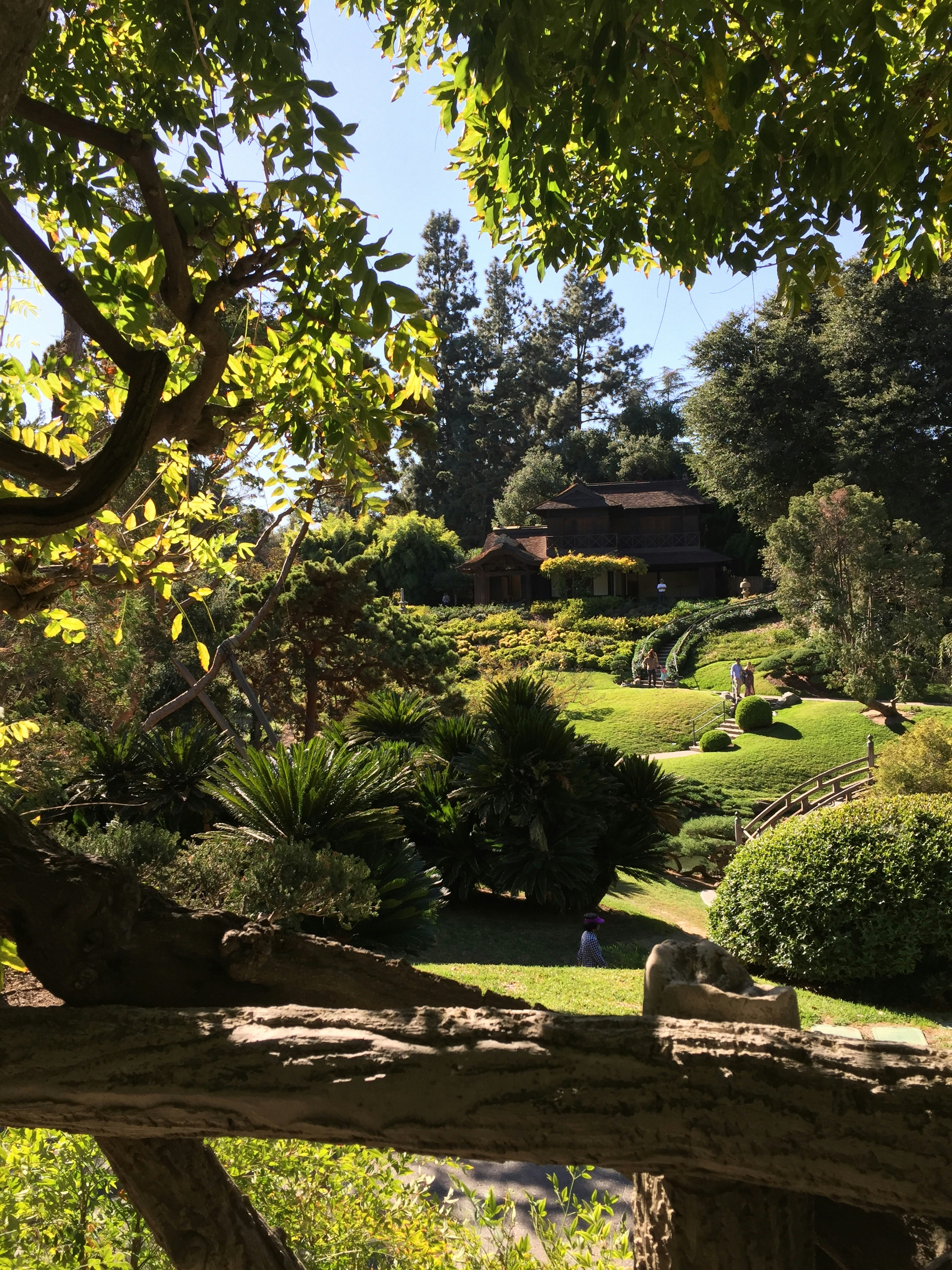
What to look for in a landscape design
A clear plan ties together the way you enter, entertain, and maintain your yard. These principles keep the build practical and beautiful.
- Defined destinations: entries, patios, cooking zones, play areas, and service paths.
- Right-sized hardscape: patios proportioned to furniture and traffic, with lighting for safety.
- Layered planting: evergreen bones, seasonal color, pollinator-friendly natives, and screens where needed.
- Drainage strategy: grading, swales, and downspout routing that protect foundations and pavements.
How to use this guide
Start with circulation, then lock in grade and drainage before selecting materials and plants. Use the checklist below to keep your project aligned with code, maintenance needs, and long-term growth.
- Sketch your spaces to scale and mark sun/shade patterns through the day.
- Note utilities, hose bibs, gates, and tree roots before choosing patio and bed locations.
- Plan lighting circuits with transformer locations and conduit runs while trenches are open.
- Document materials and plant lists so bids stay comparable and install crews have clarity.
How we build a landscape plan
Every design starts with how you move, gather, and maintain the property. We map sun, shade, slopes, drainage, utilities, and sightlines so the layout works as well as it looks.
- Circulation & rooms: define entries, dining, lounge, play, and service zones with clear paths and lighting.
- Grades & drainage: set elevations, swales, and downspout routing to protect foundations and keep patios dry.
- Planting layers: mix structural evergreens, flowering shrubs, perennials, and groundcovers for four-season interest.
- Hardscape durability: pair stone, pavers, steel, and wood that match your architecture and stand up to weather.
Material palette we trust
Patios & walks
Natural stone, textured pavers, and jointing sands that drain and resist heaving.
Walls & edging
Segmental block, dry-stack stone, and steel edging to keep beds crisp.
Lighting
Low-voltage path, wash, and uplights with warm temperatures and smart timing.
Planting
Native-forward mixes for pollinators, privacy screens, and shade/ sun tolerances.
Quick design checklist
- Align patios and paths to front door, drive, and side yards for intuitive flow.
- Plan downspout extensions, drains, and regrading before choosing surface materials.
- Use tree canopies for scale; anchor beds with evergreens; repeat textures for cohesion.
- Specify irrigation zones by sun/shade and plant type; add drip to beds and risers to turf.
- Layer lighting: paths for safety, wall washes for structure, accents for specimen plants.
Frequently asked questions
How long does a design take?
Most residential concepts are delivered in 1–2 weeks; complex grading or pools take longer.
Can you phase the build?
Yes. We sequence grading, drainage, and hardscape first, then planting and lighting as budgets allow.
Do you handle permits?
We prepare drawings and coordinate permits for walls, tree removal, irrigation, and lighting as needed.
Want a plan tailored to your property?
We pair site analysis with renderings and budgets so you can build confidently.